Top Home EV Charging Station Benefits and Installation Tips?
Home EV Charging Stations are becoming increasingly important for electric vehicle owners. These stations offer a convenient solution for charging at home. With the rise of electric vehicles, the demand for efficient charging solutions is soaring.
Installing a Home EV Charging Station provides many benefits. It saves time and eliminates the need to visit public charging locations. Imagine plugging in your car overnight and waking up to a full battery. This flexibility can greatly improve your daily routine. Additionally, many charging stations are designed to be compatible with various types of electric vehicles.
However, installing a Home EV Charging Station comes with its challenges. Some homeowners may not know where to start or which station suits their needs. Factors like installation costs and electrical requirements can cause confusion. Proper planning is essential to make the installation process smooth and efficient. A well-thought-out approach will ensure you enjoy all the benefits while avoiding common pitfalls.
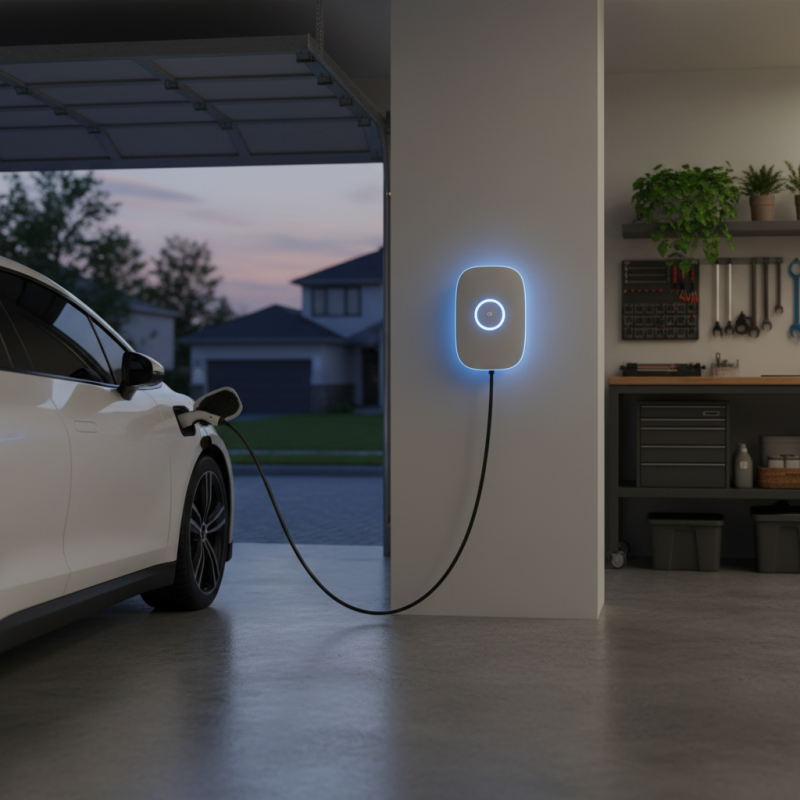
Benefits of Home EV Charging Stations: Convenience and Cost Savings
Home electric vehicle (EV) charging stations offer tremendous convenience for daily drivers. Imagine coming home from work and plugging in your car. No need to make last-minute trips to public charging stations. It saves time and adds a layer of ease to your routine. You can charge your vehicle overnight, waking up to a full battery. This simple act is stress-free and fits easily into your lifestyle.
Cost savings are another compelling reason to consider home EV charging. Charging at home can be significantly cheaper than using public chargers. Depending on your local electricity rates, you can save money in the long run. Some areas even offer time-of-use rates, allowing you to charge during off-peak hours for even more savings. However, it's essential to consider installation costs, as they can vary widely. A professional installation might be required, which can involve a bit of research and budgeting. In some cases, the return on investment can take longer than expected.
While home charging is convenient, not everyone may find it easy to install. Different homes present unique challenges. Older houses might need electrical upgrades. Space can also be an issue if parking is limited. Reflecting on these factors will help you decide if a home EV charger is truly right for you.
Top Home EV Charging Station Benefits and Installation Tips
| Benefit | Description | Estimated Cost Savings ($) | Installation Tips |
|---|---|---|---|
| Convenience | Charge your EV at home without the need to visit public charging stations. | Varies by usage | Choose a location for easy access. |
| Cost Savings | Lower electricity rates at home compared to public charging. | $300 - $600 annually | Consider time-of-use rates for additional savings. |
| Increased Property Value | Adding an EV charger can enhance your home's value. | Potentially $5,000 more | Research incentives for installations that increase value. |
| Environmental Impact | Charging at home with renewable electricity reduces your carbon footprint. | N/A | Install solar panels to maximize benefits. |
| Flexible Charging Options | Control charging times and settings from your smartphone. | N/A | Opt for smart chargers with app integration. |
Related Posts
-

Global Market Insights 2025: Navigating the Future of EV Home Chargers for Savvy Buyers
-
Choosing the Right Electric Charger Installation Provider How to Evaluate Quality and Performance Based on Industry Standards
-

Advantages of Choosing Ev Home Charger Installation for Global Buyers
-

Unlocking Efficiency: The Future of Global Electric Charger Installations
-

China's Resilient Growth in EV Charging Point Installation Amid US China Tariff Challenges
-
Exploring the Unique Features and Applications of the Best Home Charger Installations