Why Choose Professional Car Charger Installation?
Electric vehicle ownership is growing, but convenient charging depends on more than buying a wallbox. The International Energy Agency reported that global electric car sales exceeded 17 million in 2024, increasing pressure on home charging systems. The U.S. Department of Energy also explains that Level 2 equipment can deliver faster, more practical charging than a standard household outlet. These figures show the demand. They do not prove every garage is ready.
Professional Car Charger Installation connects the charger to the building’s real electrical capacity. An experienced installer checks the service panel, cable route, grounding, weather exposure, and available load. They may find an aging breaker, crowded conduit, or a cable that cannot safely support continuous charging. Small details matter. Heat at a loose terminal can become a serious warning sign.
Tom Moloughney, an EV charging educator and host of State of Charge, has often emphasized a simple principle: “Home charging should be safe, reliable, and easy to use.” That principle supports professional assessment, not blind confidence. A qualified electrician can select suitable equipment, install correct protection, and explain daily operation clearly. Relevant guidance includes NFPA 70 requirements and local electrical rules, which vary by location. However, reports provide averages, not personal answers. A detached garage, a 100-amp service, or a long outdoor cable may change the recommendation. Choosing professional Car Charger Installation therefore protects performance, safety, and future flexibility. It may cost more initially. That is worth questioning, but cheap installation can create expensive uncertainty.
What Is Professional Car Charger Installation?
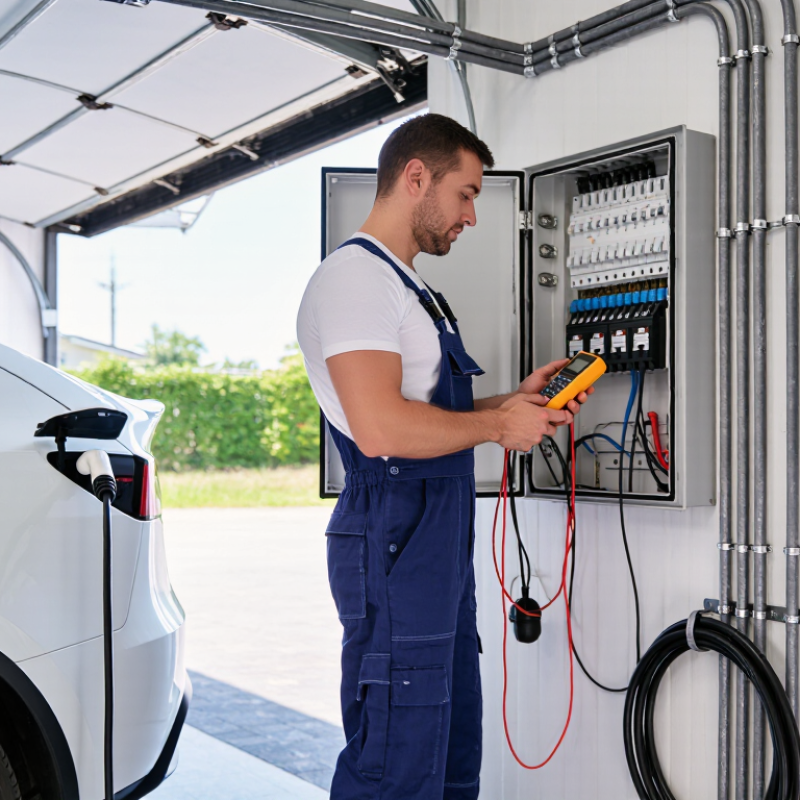
Professional car charger installation means more than mounting a unit on a garage wall. It is a site-based electrical service completed by a qualified technician. The process usually includes checking the main panel, measuring available capacity, selecting cable size, installing protection, and testing the connection. A professional also considers cable length, ventilation, weather exposure, and the charger’s daily use.
Demand for reliable home charging is growing quickly. The International Energy Agency reported more than 14 million electric cars were sold worldwide in 2023, representing almost 18% of new car sales. The U.S. Department of Energy’s Alternative Fuels Data Center explains that Level 2 charging commonly uses a 240-volt circuit. This can deliver substantially faster charging than a standard household outlet. However, faster charging also creates greater electrical demand.
A careful installer performs a load calculation before recommending equipment. That step can reveal an aging panel or limited spare capacity. Grounding and residual-current protection must be checked, not assumed. The cable should remain secured, dry, and clear of walking paths. Small details matter.
A tidy installation can still hide a poor connection. This is where experience matters. Technicians should document test results and explain basic operation to the vehicle owner. In practice, no assessment is perfect, especially in older homes. A second inspection may be sensible when wiring is unclear or charging becomes unusually warm.
How Certified Installers Assess Your Vehicle and Charging Needs
Why Choose Professional Car Charger Installation?
How Certified Installers Assess Your Vehicle and Charging Needs
A certified installer begins with the vehicle, not a standard package. They check the car’s charging connector, onboard charger, battery capacity, and maximum charging rate. These details prevent an oversized or unsuitable installation.
Your driving routine matters too. An installer may ask about daily distance, parking hours, and seasonal charging habits. A commuter traveling 30 miles daily needs a different setup from a driver charging only on weekends. They also inspect the electrical panel, available capacity, grounding, and cable route. A load calculation helps determine whether the existing system can support charging safely.
The physical site receives close attention. Installers measure the distance to the parking space and look for heat, moisture, impact risks, and drainage issues. They select suitable protection and weather-resistant equipment for outdoor locations. Connections should remain secure and accessible for future inspection.
Small details matter.
A quick visual check can miss hidden wiring damage or an overloaded circuit. Certified professionals use testing tools and follow applicable electrical requirements. Still, no assessment is perfect. Future renovations, extreme weather, or changes in driving habits can alter your needs. A careful installer explains these limits instead of promising effortless performance. Their experience turns a complicated home evaluation into practical decisions, with records that support safer maintenance later.
Which Safety Standards Guide a Professional Installation?
As electric vehicle ownership expands, charging safety deserves more than a convenient wall outlet. The International Energy Agency’s Global EV Outlook 2024 recorded nearly 14 million electric car sales in 2023. It also reported more than four million public charging points worldwide. That growth increases the need for careful residential installations.
A professional installer checks the service panel, grounding path, conductor size, and available capacity. In the United States, National Electrical Code Article 625 and NFPA 70 guide electric vehicle supply equipment installations. UL 2231-1 and UL 2231-2 address protection against electric shock. UL 2202 covers electric vehicle charging system equipment. In many international projects, IEC 61851 defines charging system requirements. Local electrical codes still control the final decision.
The details matter. A technician may tighten terminals to the manufacturer’s specified torque, protect outdoor wiring from moisture, and test residual-current protection before handover. The U.S. Department of Energy identifies 208- or 240-volt circuits as common for Level 2 charging, which makes circuit protection especially important. Standards reduce risk, but they do not replace judgment. Existing wiring can be mislabeled, and older panels may look serviceable while hiding capacity limits. That is where a professional inspection earns its value.
What Does the Installation Process Involve?
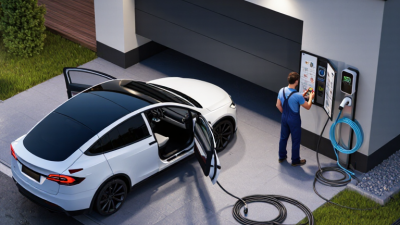
A professional car charger installation begins with a careful site assessment.
The installer checks your parking space, electrical panel, cable route, and wall structure. They also review the vehicle’s charging requirements and the home’s available electrical capacity. This prevents an overloaded circuit or inconvenient cable placement.
The process includes a measured load calculation before any wiring begins.
A qualified electrician selects suitable cable sizes, protective devices, and weather-resistant fittings. They may need to coordinate with the utility provider or follow local electrical requirements. The charger is then mounted securely, with cables protected from sharp edges, heat, water, and accidental impact. Small details matter here. A loose bracket can create noise and stress over time.
After connecting the circuit, the installer tests voltage, grounding, safety protection, and charging performance.
They should explain the controls and show you how to isolate the power safely. Photographs of the completed wiring can support future maintenance. An experienced installer will also check whether the planned route is practical, not merely attractive. The shortest route is not always the safest one. I have seen rushed measurements leave cables too tight near a doorway. That mistake may seem minor, but daily use exposes it quickly. A final inspection can catch such problems before they become expensive repairs.